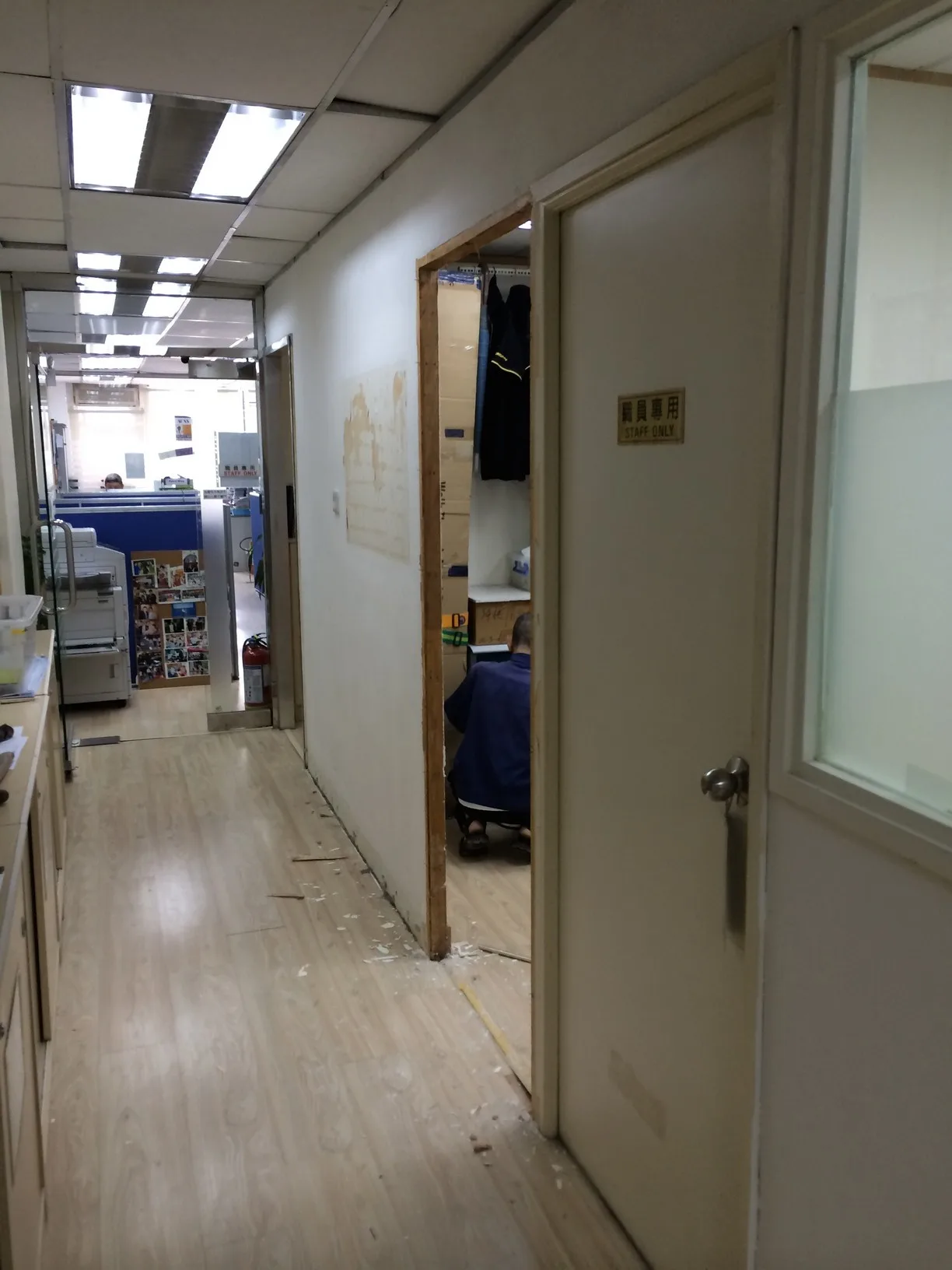
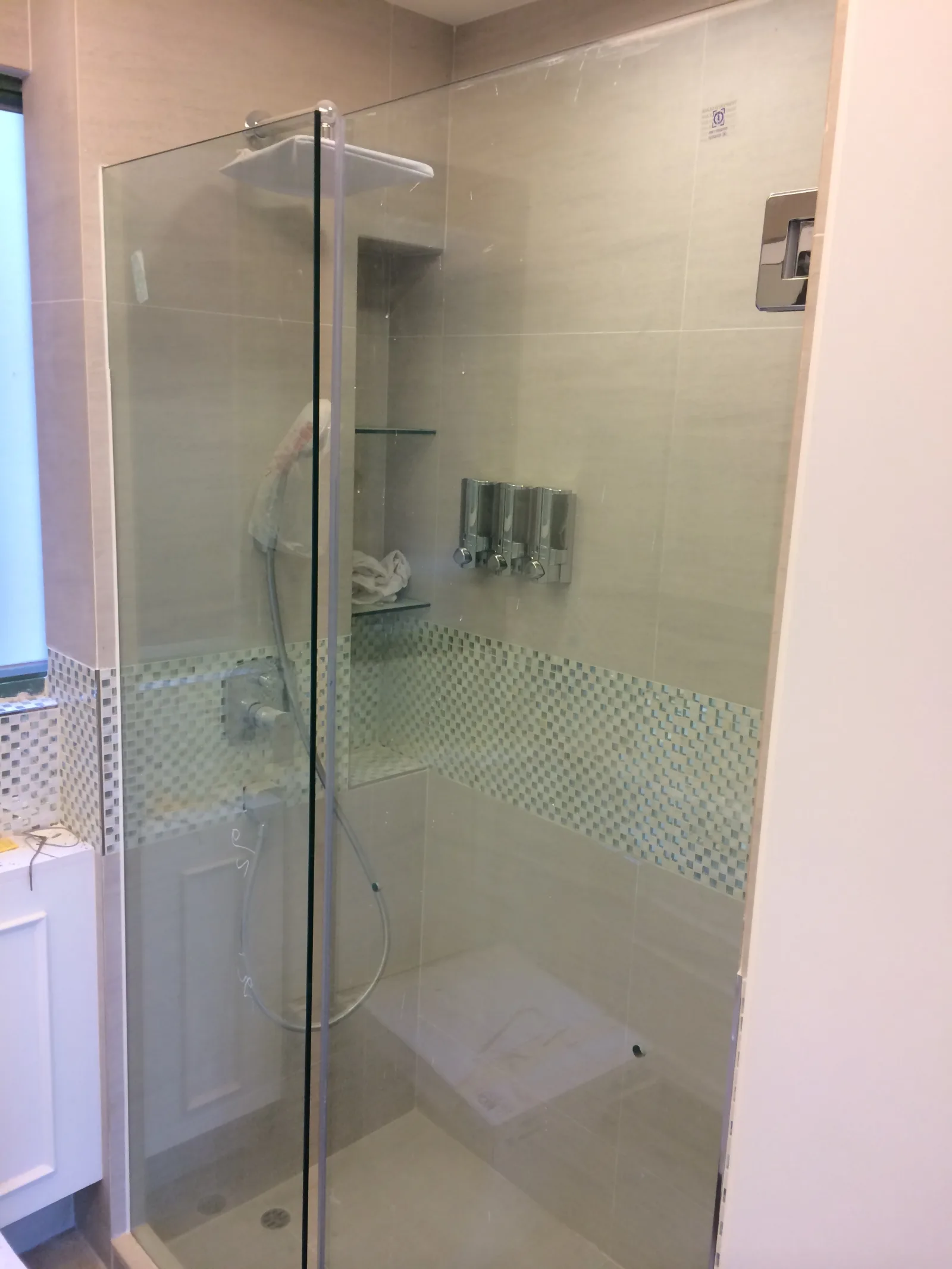
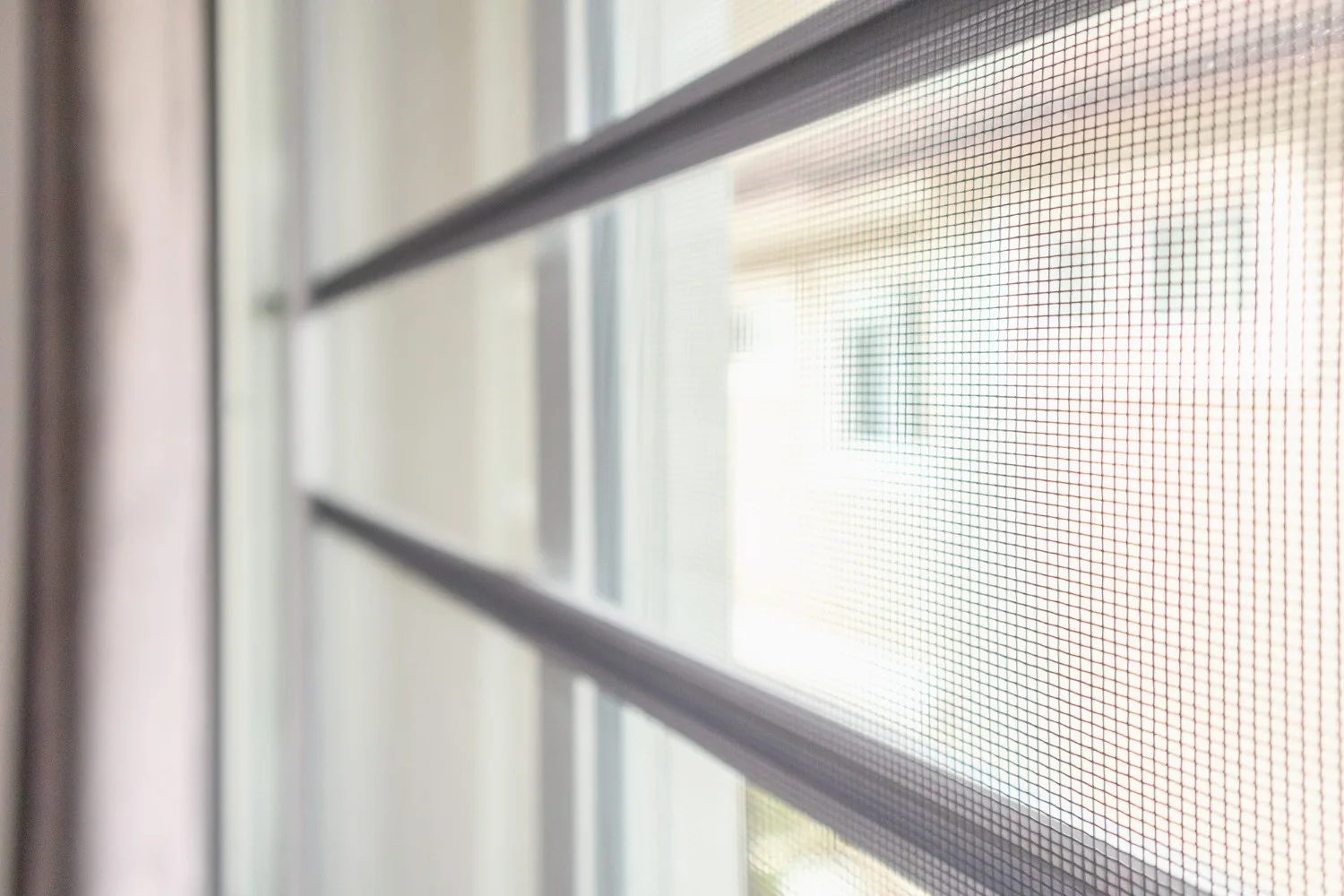
Completed Projects | Aluminium Windows, Glass Houses, Partitions & Screens

Browse SK Fung's completed work in eight service galleries: window replacement, sliding and folding doors, mandatory inspections and repairs, glass houses, partitions, balustrades, glass and fire doors, mirrors, shower screens and insect or safety screens. Filter and enlarge photographs, then review materials, installation and acceptance guidance before requesting a quotation.

Registered Minor Works Contractor MWC(W) 42/2014, with window inspection qualifications and CIC-certified technicians. Free measurement, design and quotations; we handle Department submissions after our inspections and repairs.

Category guidance

Eight categories: materials, installation and inspection

Review common uses, options, installation details and completion checks for each service.

Window / sliding / folding door projects

Inspections, leaks and whole-home replacement
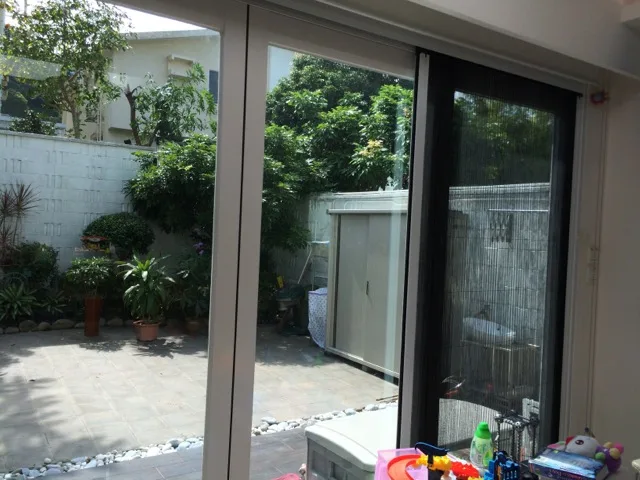
Sliding window frames, glass and stainless steel hinges

Projects include prescribed inspection and repair after a statutory notice, leak repairs, renovation-related whole-home replacement, steel-to-aluminium upgrades and single-sash replacement.

Materials: aluminium profile series selected for thickness and section design; toughened, laminated, double, acoustic, Low-E and frosted glass; stainless hinges, handles, locks, rollers and weather gaskets.

Installation: choose full-frame or frame-over-frame replacement, detail wall junctions, clear drainage and assess scaffolding or platforms with management.

Checks: smooth operation, tight locks, minimal wind noise, continuous silicone, intact gaskets and successful water testing.

See window services and the MWIS guide.

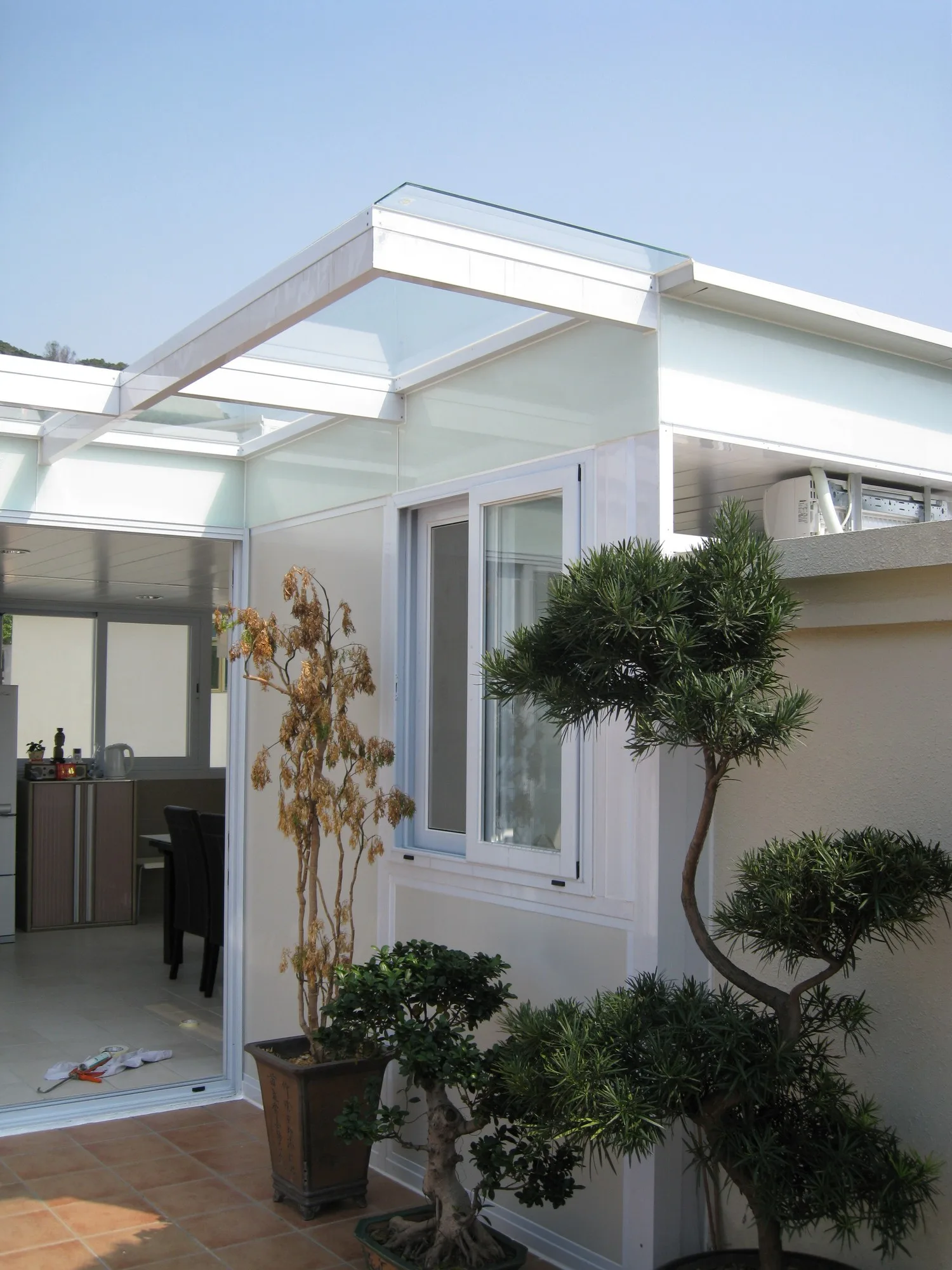
Glass house / cabin projects

Rooftop rooms, skylights and storage
Rooftop glass house structure, glazed roof and drainage details

Projects include glass houses, skylights, canopies, cabins, storage rooms and cabinets. Establish ownership, DMC, structural loading and legal procedure before proposing rooftop additions.

Design: specify glazing, often laminated overhead; structure and span; wall flashing; falls and outlets; and ventilation openings.

Checks: rain-related joint leaks, drainage, fixings and continuous sealant. See glass houses / cabins.

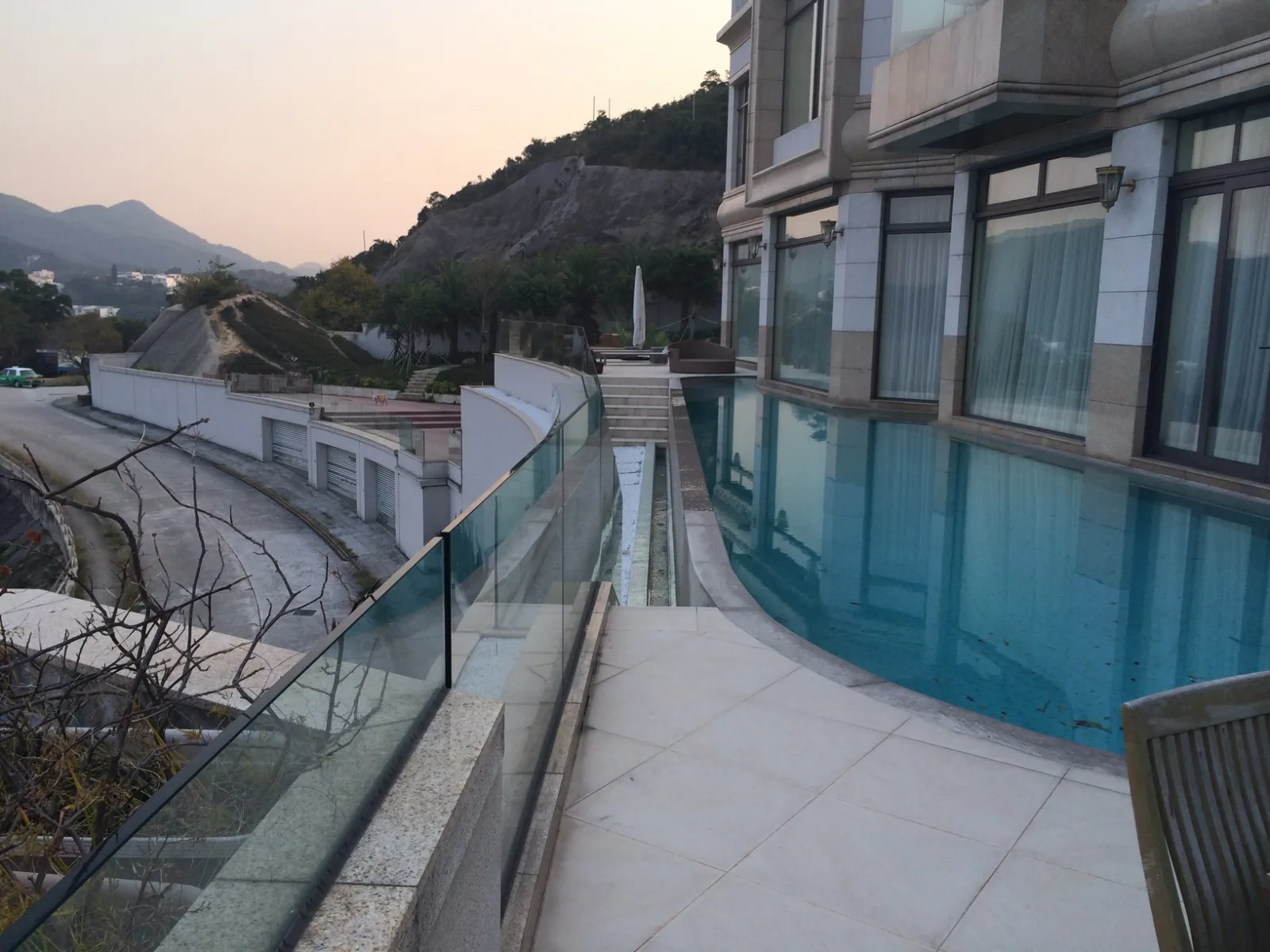
Glass balustrade projects

Balconies, stairs and roof edges
Glass barrier with stainless steel clamps

Balcony, stair, light-well and rooftop barriers use clamps or base channels with suitable toughened or laminated glazing. Laminates retain fragments and are particularly relevant at height.

Installation: assess anchor loads, glass size, height, polished edges, joints and cleaning access.

Checks: no abnormal movement, secure clamps, sound edges and tidy seals. See glass balustrades.

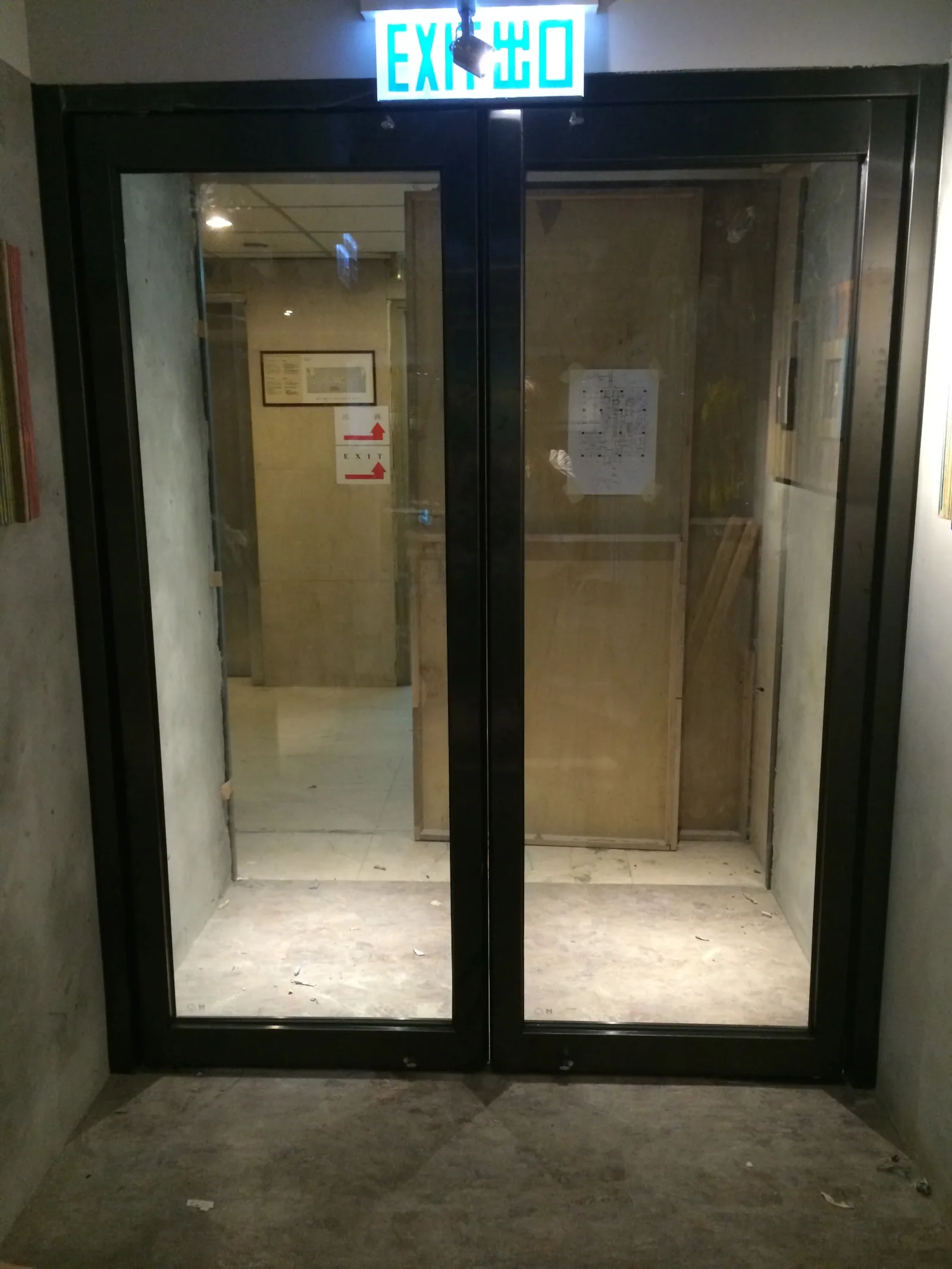
Glass / fire door projects

Offices, shops and fire requirements
Frameless and fire doors with fittings and self-closing hardware

Glass doors include frameless, automatic, sliding and shopfront systems. Match glass, fittings and springs, then adjust locks and closing speed.

Fire doors need documented ratings, complete assemblies and self-closing, normally closed operation. Do not wedge them open. Follow any Department or Fire Services directions and retain certificates and installation records.

Checks: full closure and latching, readable labels, suitable gaps and secure hardware. See glass / fire doors.

Glass partition projects

Homes, offices and meetings
Interior partitions, sliding doors and frosted glass

Glass separates home studies, storage areas, offices and meetings while retaining daylight.

Materials: frosting or film for privacy; acoustic laminates or double glazing for sound; sliding doors for space. Plan junctions, services and dismantling needs.

Checks: smooth sliders, vertical panels, fitted trims and tidy sealant. See glass partitions.

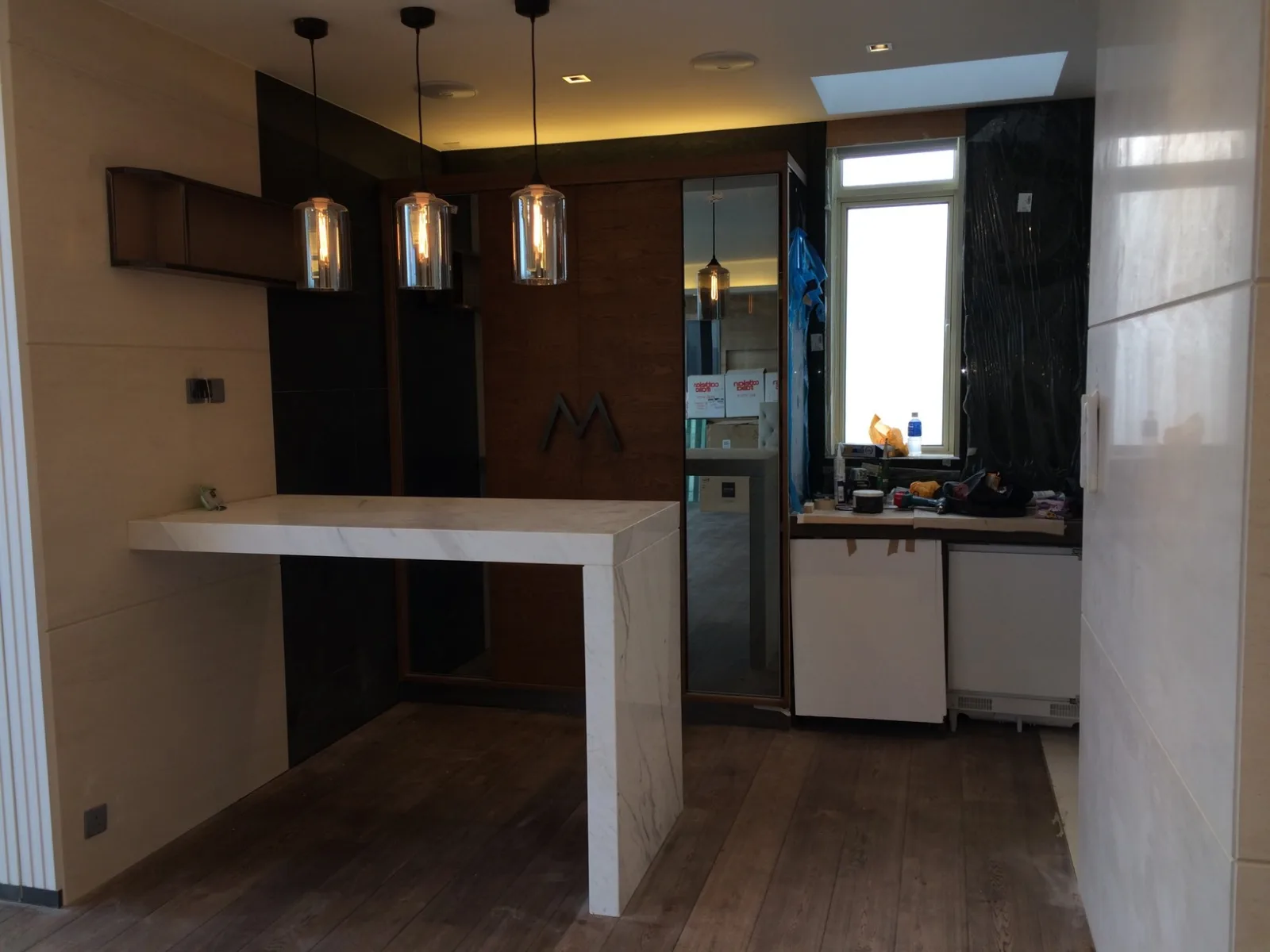
Interior mirror projects

Walls, displays and finishes
Mirror wall with polished edges and secure supports

Entrance, studio, wardrobe and display mirrors need flat substrates and secure support to avoid distorted reflections or detachment.

Installation: use mirror-compatible adhesive, mechanical or base supports, protected edges and ventilation in damp areas.

Checks: flat reflection, smooth edges, secure fitting and aligned joints. See interior mirrors.

Shower screen projects

Hotel-style screens and leak repairs
Toughened shower screen with weather seals and water stops

Custom enclosures depend on water containment and drainage. Leaks often arise from aged bottom seals, silicone, sagging hinges or missing thresholds.

Repair or replacement: sound glass may need seals and adjustments; chipped glass or corroded hardware may need renewal with drainage redesign.

Checks: water-test joints, natural door return and continuous seals. See shower screens.

Insect and safety screen projects

Concealed, roller, pleated and safety mesh
Completed insect and safety screen installation

Choose concealed, roller, pleated or other screens for window type and use. Pleated systems suit large sliding doors.

Safety mesh for children or cats needs stronger materials and anchors than insect mesh. Preserve window operation, emergency access and future hardware inspection.

Checks: flat mesh, secure frames, unobstructed movement and sound anchoring. See insect screens.

Inspection projects

Mandatory inspections and prescribed repairs

Many window projects follow statutory notices. Key deadlines and penalties are summarized below.

MWIS began on 30 June 2012 for private buildings at least 10 years old, excluding residential buildings no more than three storeys. Pre-notification letters generally precede statutory notices by 1–2 months; legal duties begin when the notice is served.

MWIS deadlines from the statutory notice issue date
SituationAppointment of a Qualified PersonCompletion of Prescribed Inspection & Repair
Windows in Individual UnitsWithin 3 monthsWithin 6 months
Common-part windows, with or without an owners' corporationWithin 3 monthsWithin 9 months
Buildings without an owners' corporationWithin 3 monthsGenerally an additional 3 months for preparation
Extension RequiredApply in writing to the Buildings Department or Independent Checking Unit with reasonable grounds

Who can be a QP?

Eligible registered professionals and contractors include APs, RSEs, RIs, general contractors and minor works contractors with relevant window scope. The QP must inspect personally and supervise prescribed repairs by registered contractors. SK Fung holds MWC(W) 42/2014.

Non-compliance under the Buildings Ordinance, Cap. 123
ItemDetails
Warning LetterThe Buildings Department generally issues a warning letter urging owners to arrange compliance
Fixed PenaltyA fixed penalty notice of HK$1,500 may be issued
Prosecution for Repeated Non-complianceConviction may incur HK$25,000 and 3 months' imprisonment, plus HK$2,000 per continuing day.
Government-arranged WorkDepartment-arranged inspections and repairs may be charged to owners, including supervision and up to 20% surcharge.
Qualification-related offencesNon-personal QP inspection may incur HK$250,000; unqualified inspection HK$100,000 and 6 months' imprisonment.

Common inspection failures

  • Hinges: corrosion, looseness, failed screws or unsuitable materials.
  • Frames: severe oxidation, cracked joints or wall separation.
  • Glass: chips, cracks or missing seals.
  • Hardware: handles, locks or rollers preventing secure closure.
  • Weatherproofing: cracked silicone, hardened gaskets or blocked drains.

Obstruction by furniture or renovation is not an exemption. Clear access before inspection. The QP submits prescribed forms after repairs; we handle submissions following our work.

Late-2024 legislative proposals included increasing maximum fines to HK$100,000 and fixed penalties to HK$3,000. These were proposals; follow current Department announcements and the actual notice.

Book inspection and a free quotation Window service details

Acceptance checklist

What should you look for in project photographs?

Workmanship differences often appear in these six details.

Silicone joints

Continuous, full joints without voids or bubbles, including corners, provide weather protection.

Hardware materials

Suitable stainless hinges, handles and screws should align correctly and lock securely.

Gasket contact

Complete, fitted seals without shrinkage or displacement reduce leaks and wind noise.

Drainage holes

Provide and clear frame-base outlets to prevent water overflowing indoors.

Glass edges

Polished, unchipped edges and intact beads or seals reduce concentrated loads.

Plaster repairs

Full-frame replacement should leave level, joined plaster ready for finishing and waterproofing.

Material comparison

Materials and specification guide

Select actual materials for site conditions, window type and intended use.

Glass types and suitable locations

GlassPropertiesCommon applications
Toughened (tempered) glassHigher strength and small fragments when broken.Screens, doors, barriers and partitions.
Laminated glassInterlayers retain fragments.Barriers, skylights and overhead or high-level locations.
Double glazingAn air gap reduces heat transfer and condensation.Street-facing, west-facing and large windows.
Acoustic glassDesigned to reduce traffic and environmental noise.Homes near main roads, railways or busy streets.
Low-E glassThe coating reflects infrared radiation to reduce heat gain.Strong sun, glass houses and skylights.
Frosted glassMaintains daylight while providing privacy.Bathrooms, kitchens and room partitions.

Window type comparison

Window typeFeaturesSuitable location
Sliding windowsSave interior space; approximately half the opening can be opened.Corridors, kitchens and balconies.
Top-hung windowsOutward opening provides ventilation and some rain protection.Bathrooms, kitchens and small openings.
Casement windowsLarge opening area and effective sealing.Living rooms and bedrooms.
Fixed windowsGood daylight, without ventilation.Daylight walls with opening lights.
Louvre windowsContinuous ventilation with visual screening.Toilets, plant rooms and corridors.

Replacement methods compared

MethodSuitable SituationTrade-offs
Full-frame Removal & ReplacementSeverely deformed or corroded frames, or frame-to-wall leaks.Thorough weatherproofing; more noise, dust, plaster work and time.
Frame-over-frame replacementSound frames and surrounding walls.Quicker, cleaner work; smaller clear openings and precise joints.
Single-sash ReplacementIsolated sash or glass damage.Economical, but does not cure frame deterioration.
Hardware repairFailed hardware, aged gaskets or minor leakage.Fast and economical; may be temporary for aged frames.

Access and safety arrangements

MethodSuitable SituationCoordination
Internal accessTypical residential windows accessible safely from inside.Protect floors and furniture and agree working hours.
ScaffoldingLarge, exposed or complete-frame work.Management consent, shared-space use and scaffold safety.
Suspended platformsHigh-rise facades where scaffolding is unsuitable.Roof anchors, management, weather and wind conditions.

Our process

Six steps from reference to completion

  1. Choose references: identify similar projects, such as whole-home windows, screen renewal or common-area inspection.
  2. Enquiry: call 3709 2164 or WhatsApp 6686 7879 with building type, window count and any statutory deadline.
  3. Free assessment: inspect windows, materials, leaks, access and management requirements.
  4. Design and quotation: Specify the work, aluminium and glass, hardware, installation method—indoors, scaffolding or suspended platform—and duration.
  5. Work: certified technicians inspect, repair or replace, protecting and cleaning the site and phasing work as appropriate.
  6. Inspection, submission and care: complete checks, handle applicable MWIS submissions and explain maintenance.

Contractor registration, access and safety information for management can be provided at quotation.

Free measurement and quotation WhatsApp 6443 1983

Service coverage

Service areas and building types

Our office is at Room F11, 10/F, How Ming Factory Building, 99 How Ming Street, Kwun Tong, Hong Kong, serving Hong Kong Island, Kowloon and the New Territories: flats, tenements, estates, industrial and commercial buildings, offices and shops.

  • Kowloon: Kwun Tong, Ngau Tau Kok, Kowloon Bay, Lam Tin, Yau Ma Tei, Mong Kok, Sham Shui Po, Hung Hom and Kowloon City; windows, inspections and commercial fire doors.
  • Hong Kong Island: Central and Western, Wan Chai, Causeway Bay, North Point, Quarry Bay, Shau Kei Wan, Aberdeen and Southern District. Waterfront and high-rise homes face greater corrosion and wind loads.
  • New Territories: Sha Tin, Tai Po, Tsuen Wan, Kwai Chung, Tuen Mun, Yuen Long, Sheung Shui, Fanling and Sai Kung; rooftops, barriers and large windows.

Return to category photographs or see the home service overview.

Frequently Asked Questions

Project, inspection and scheduling FAQ

24 questions about the gallery, quotations, inspections, materials and work arrangements.

Are these photographs actual projects?

Yes, completed SK Fung work organized by service. Client addresses and owner details are not disclosed. Share your building type and window count for a measured quotation on similar work.

How do I browse categories?

Select all or one of eight service categories. Enlarge photographs and use arrows or left / right keys to browse the selected category.

Which details should I examine?

Continuous joints, sash fit, aligned stainless hardware, intact glass gaskets and drainage openings influence leak protection and inspection performance.

Can a photograph determine a quotation?

It guides materials and style; costs depend on dimensions, counts, glass, hardware, floor and access. We measure free before agreeing scope and price.

What is frame-over-frame replacement?

A new frame is installed onto a sound existing frame without full demolition, reducing time, dust and noise but narrowing clear openings. Severe deterioration or wall-junction leaks usually favour full replacement.

Should I replace all windows or one sash?

Whole-home replacement suits widespread ageing and renovation; isolated damage may only need a sash. Assess individually on site.

Which glass appears in projects?

Toughened, laminated, double, acoustic, Low-E and frosted glass. Match safety, noise, solar gain and privacy needs to each location.

Why stainless steel hinges?

Coastal humidity and salt accelerate ordinary-metal corrosion, a common inspection failure. Appropriate stainless components reduce repeat repairs.

What are MWIS deadlines?

Appoint a QP within 3 months and complete within 6 months from notice; common areas normally have 9 months, with an extra 3 months generally for buildings without a corporation. Seek extensions in writing with grounds.

Which buildings receive notices?

Selected private buildings aged 10 years or more, excluding residential buildings no more than three storeys. The scheme began on 30 June 2012; pre-notification generally comes 1–2 months earlier.

Who can inspect?

Eligible registered APs, RSEs, RIs, general contractors and window-scope minor works contractors. The QP inspects personally and supervises registered repairs. SK Fung holds MWC(W) 42/2014.

What penalties apply if overdue?

Warnings may precede HK$1,500 fixed penalties; prosecution may incur HK$25,000, 3 months' imprisonment and HK$2,000 per continuing day. Department work may be charged with up to 20% surcharge.

Who handles submissions after repair?

The QP submits prescribed documents. We handle this following our inspections and repairs; owners retain records.

Can obstructed windows be skipped?

No. Renovation or furniture obstruction is not an exemption. Clear access to all windows and hardware beforehand.

Window inspection versus building inspection?

MWIS covers windows in qualifying 10-year-old buildings, with a QP. Building inspection covers structures, facades and common facilities at a higher age threshold, with a Registered Inspector. Building-notice non-compliance can incur HK$50,000 and 1 year's imprisonment.

How are leaks diagnosed?

Check silicone, gaskets, drains, sash fit and locks, then external plaster and sills. Identify the source before injection, renewal or replacement.

What matters in rooftop glass houses?

Establish lawful scope, ownership, DMC and structural loading first, then glazing, profiles, waterproofing, falls and ventilation. Assess the actual site before design.

How are balustrades fixed?

Common systems use stainless clamps or aluminium channels with suitable toughened or laminated glass. Calculate anchors, dimensions and edge finishing; laminates retain fragments.

What matters in fire-door replacement?

Rated labels, documented assemblies, self-closing and closed operation. Follow actual directions and retain certificates and installation records; do not wedge doors open.

Should shower screens be repaired or rebuilt?

Sound glass may need seals, silicone and adjustment. Chips, severe corrosion or missing thresholds favour renewal with drainage design.

Can insect and safety mesh be combined?

Yes, but they perform different functions and need different materials and anchors. Preserve window movement, emergency access and inspection access.

How are exposed high-rise windows accessed?

Internal work may be possible with fall protection and enclosure. Large or exposed replacements may need scaffolding or platforms, coordinated with management and included in quotes.

Will work disrupt daily life?

Timing depends on count, method and access. Frame-over-frame or sash replacement is quicker; full replacement needs plaster curing. Protect furniture and phase work, agreeing arrangements before starting.

Is maintenance available?

We provide ongoing building, corporation and business maintenance. Quotations specify coverage and duration for materials and components.